A Quantum AV Guide to Choosing the Perfect Screen Technology
The centerpiece of any premium home entertainment system is the display. Whether you're designing a dedicated home theater, creating a media room for casual viewing, or outfitting an outdoor entertainment space, selecting the right screen technology is the foundation of an exceptional audiovisual experience. At Quantum AV, we've worked with hundreds of homeowners and luxury property developers across Southwest Florida to integrate cinema-grade displays into their homes. This guide will walk you through the key screen technologies available today and how to choose the one that best suits your needs, space, and lifestyle.
Understanding Your Display Options
The world of screen technology has evolved dramatically ove the past decade. No longer are you limited to a single choice. Today's homeowners have access to multiple screen technologies, each with distinct advantages and trade-offs. The best choice for your home depends on several factors: your dedicated viewing space, ambient lighting conditions, content preferences, budget, and your vision for how the system will integrate with your overall smart home environment.
Projection Systems: The Theater Experience
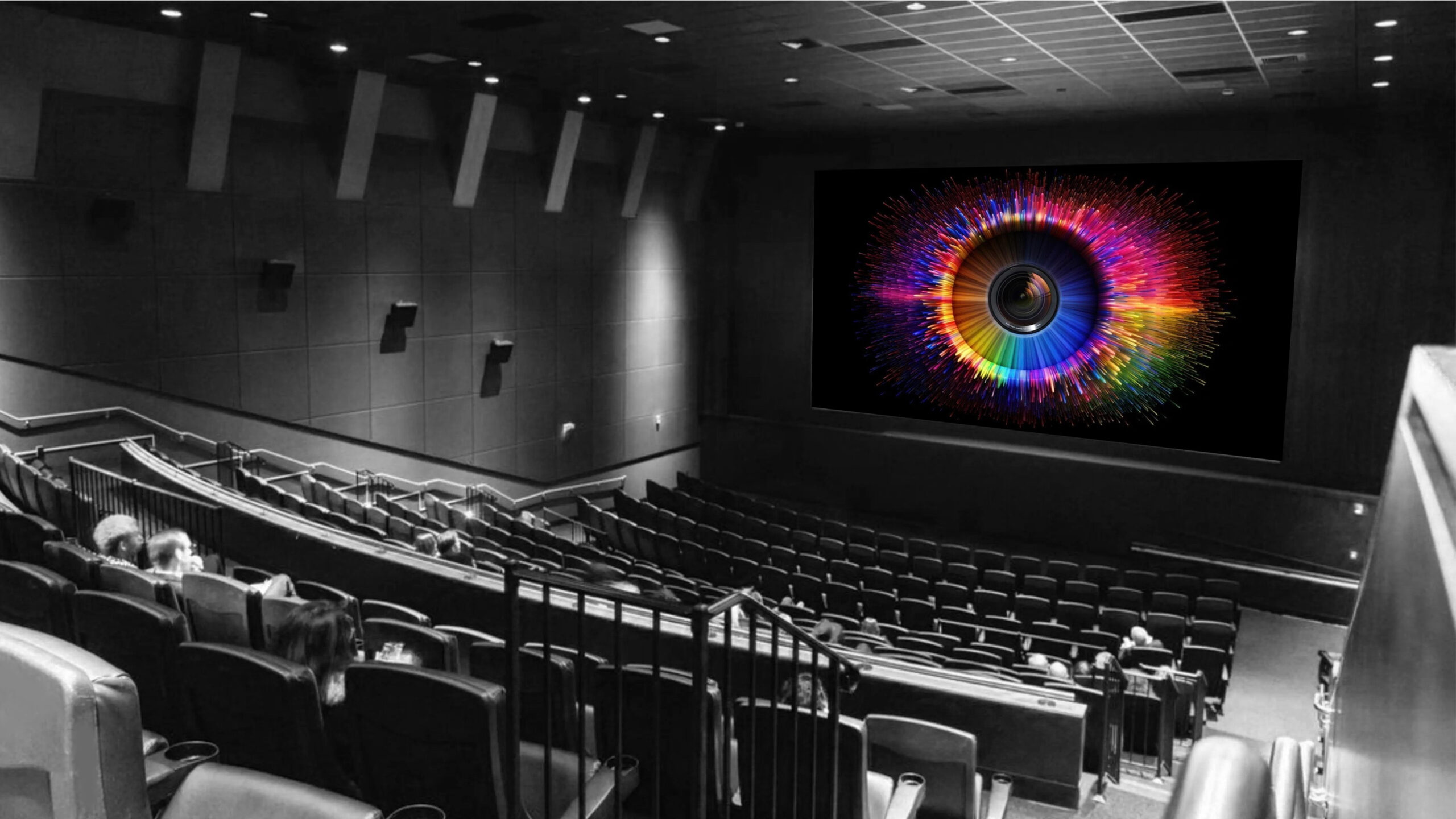
Projection technology has remained the gold standard for dedicated home theaters, and for good reason. A high-quality projector can deliver images on a massive scale—often 100 inches or larger—that creates an immersive, cinematic experience impossible to achieve with traditional flat-screen displays.
Modern projection systems offer several advantages. First, they provide exceptional picture quality when properly calibrated. Cinema-grade 4K projectors can deliver stunning contrast ratios and color accuracy that rival the best television displays. Second, the sheer size of the projected image creates a sense of presence and immersion that smaller screens cannot match. Third, projectors are incredibly versatile: by adjusting throw distance and lens options, they can fit into rooms of various sizes and configurations.
However, projection systems require careful consideration of room design. You'll need to control ambient light—blackout shades or window treatments are essential for optimal performance. Professional installation is important for proper calibration, ceiling mounting, and ventilation. Projectors also require maintenance, including periodic lamp or light source replacement and regular filter cleaning. If your home theater room is used during daylight hours or receives natural sunlight, projection may not be your best option.
At Quantum AV, we frequently install Sony 4K projectors and JVC Reference projectors for clients seeking the ultimate in image quality and screen size. When paired with our Lutron automated blackout shade systems and acoustic optimization, a projection-based home theater becomes a true luxury entertainment destination.
LED and QLED Television Displays
For many homeowners, a large-format television is the perfect middle ground. Modern LED and QLED televisions have reached extraordinary levels of picture quality, with 4K resolution now standard and 8K displays available for the ultimate future-proofing.
QLED technology (Quantum Dot LED) represents a significant advancement over traditional LED displays. Quantum dots are microscopic particles that enhance color accuracy, brightness, and contrast. This results in more vibrant colors, deeper blacks, and better performance in well-lit rooms compared to standard LED televisions. Major manufacturers like Sony offer exceptional QLED displays that are widely available and can be installed relatively quickly.
Television displays offer several practical advantages. They're available in sizes ranging from 55 inches to 85 inches or larger. They don't require the light control that projectors demand, making them suitable for media rooms that receive some natural light or are used during daylight hours. Installation is straightforward—mounting on a wall or integrating into a custom media cabinet is relatively simple and can be completed quickly. Television displays require minimal maintenance beyond occasional cleaning.
The trade-off with televisions is screen size versus viewing distance. While an 85-inch television is impressive, it's still smaller than what a projector can achieve. If your seating is 12 feet or more from the screen, a television may feel smaller than ideal. Additionally, high-end 8K televisions remain expensive, and 4K content still dominates available programming.
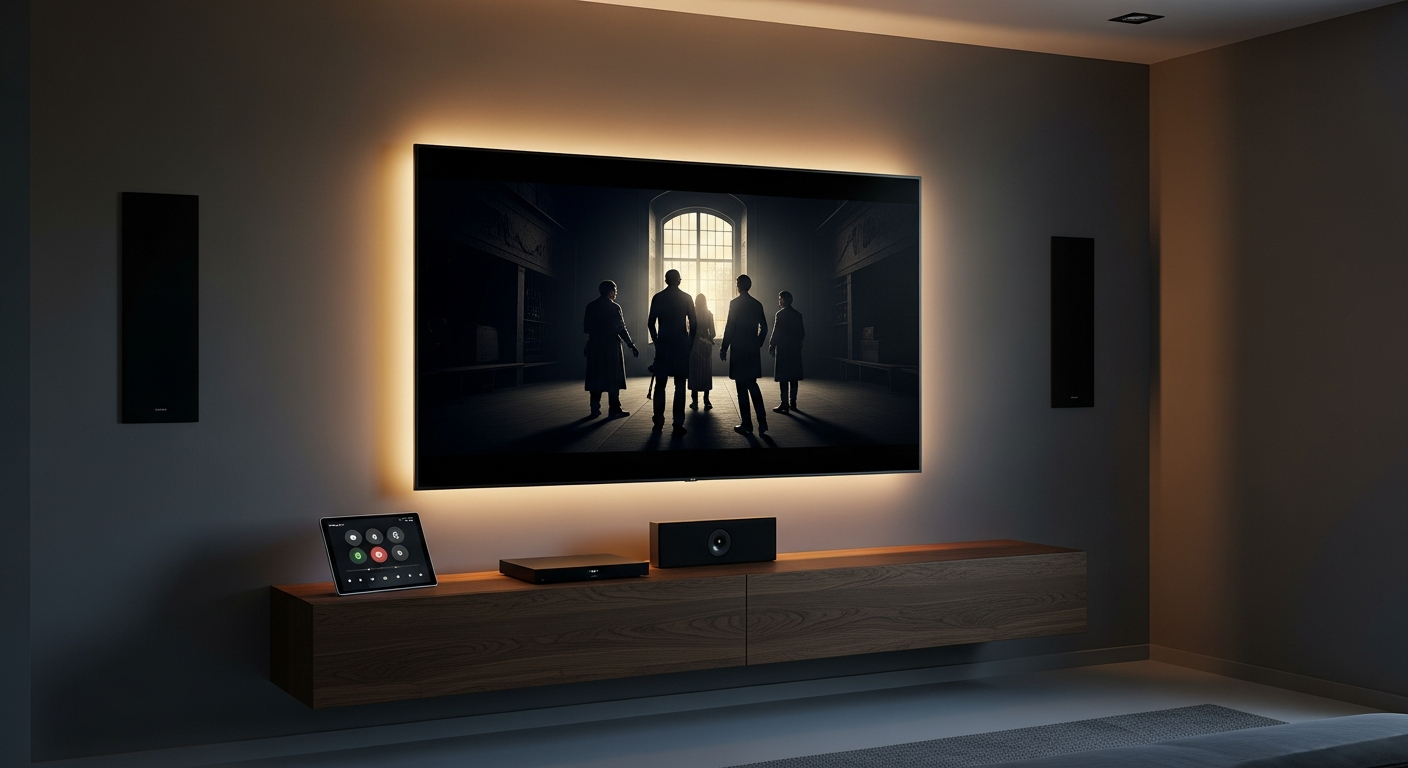
When we design media rooms for clients at Quantum AV, we often recommend pairing a premium television display with Control4 smart home automation and Lutron LED accent lighting. This creates a sophisticated entertainment space that's flexible enough for daily viewing while maintaining exceptional picture quality.
Mini-LED Displays: Cutting-Edge Performance
Mini-LED technology represents the newest frontier in display technology. Instead of a single backlight behind the screen, mini-LEDs use thousands of independently controlled light zones. This allows for unprecedented control over contrast and brightness on a pixel-by-pixel basis.
The benefits of mini-LED are substantial. Contrast ratios approach those of projection systems. Peak brightness exceeds what traditional LED displays can achieve. Color accuracy is exceptional, and there's virtually no degradation in picture quality when viewing from off-axis angles. These displays perform beautifully in rooms with ambient light while still delivering stunning performance in controlled environments.
Mini-LED technology is still relatively premium in cost compared to standard QLED displays, but prices are gradually becoming more competitive. If you're designing a space where you want the flexibility to use it in multiple ways—as a media room, a space for entertaining guests, or a room with windows—mini-LED offers a compelling combination of performance and versatility.
OLED Displays: Perfection in Darkness
Organic Light Emitting Diode (OLED) technology produces some of the most stunning images available in any display category. Each pixel produces its own light, allowing for perfect blacks (pixels simply turn off), infinite contrast ratios, and exceptional color accuracy. For a dedicated home theater room with proper light control, an OLED display can deliver an experience rivaling or exceeding projected images.
The advantages of OLED are compelling for serious home theater enthusiasts. The image quality is genuinely exceptional. Response time is virtually instantaneous, making these displays excellent for gaming and sports viewing. They're available in increasingly larger sizes, with 83-inch models now on the market. No backlight means no blooming or halo effects around bright objects on dark backgrounds.
However, OLED technology comes with important considerations. OLED displays perform best in dark or dimly lit environments. They're less suitable for rooms with significant ambient light. Cost is premium—OLED displays represent a significant investment. There's also the theoretical consideration of image persistence or "burn-in," though modern OLED displays include sophisticated mitigations that make this risk minimal with normal viewing.
For clients with dedicated, light-controlled home theaters and a preference for television-based displays, we often recommend OLED as the ultimate choice. Paired with a premium audio system, automated lighting, and Control4 integration, an OLED-based home theater represents the pinnacle of residential entertainment technology.
Choosing Your Technology: Key Decision Factors
Selecting the right screen technology requires honest assessment of several factors.
First, consider your room. Is it a dedicated home theater with light control, or a multi-purpose space that needs flexibility? Can you install motorized blackout shades? Is the room used primarily during evening hours? These questions significantly influence which technologies are suitable.
Second, think about screen size and viewing distance. Measure from your anticipated seating position to where the screen will be located. As a general rule, for televisions, you want the screen to subtend approximately 30-40 degrees of your visual field at your viewing distance. For a 10-foot viewing distance, this suggests an 85-inch television. For a 12-foot distance, projection becomes increasingly attractive.
Third, evaluate your content. Are you primarily watching broadcast television, streaming content, or a mix? Do you care about gaming performance? Will you be watching sports or fast-moving content? OLED excels for gaming due to instantaneous response times. Mini-LED and QLED displays are excellent all-rounders. Projection systems are best for slower-paced cinematic content.
Fourth, consider your budget and long-term vision. Are you planning to upgrade in five years, or do you want to invest in a display that will serve you for a decade? Premium projectors and OLED displays require larger upfront investments but deliver exceptional performance that ages well. Lower-cost alternatives like QLED televisions offer excellent current performance at more accessible price points.
Finally, think about integration with your smart home. At Quantum AV, we design these systems to work seamlessly with Control4 automation, allowing you to control lighting, shades, audio, and video from a single intuitive interface. This integration adds tremendous value and convenience to your daily viewing experience.
The Importance of Professional Calibration and Installation
Regardless of which display technology you choose, professional installation and calibration are essential. A $10,000 display installed without proper setup will underperform compared to a $5,000 display that's been professionally calibrated and integrated into a well-designed space.
Professional calibration involves adjusting color temperature, gamma, brightness, and other parameters to match industry standards. This ensures that the image you're seeing matches the creator's intent. It's particularly important for cinema-grade projectors but equally valuable for television displays.
Installation also matters significantly. Proper viewing angles, distance from ambient light sources, integration with automation systems, and cable management all contribute to a superior final result. Our team at Quantum AV handles every aspect of the installation process, from initial design consultation through final calibration and training.
Combining Technologies for Ultimate Flexibility
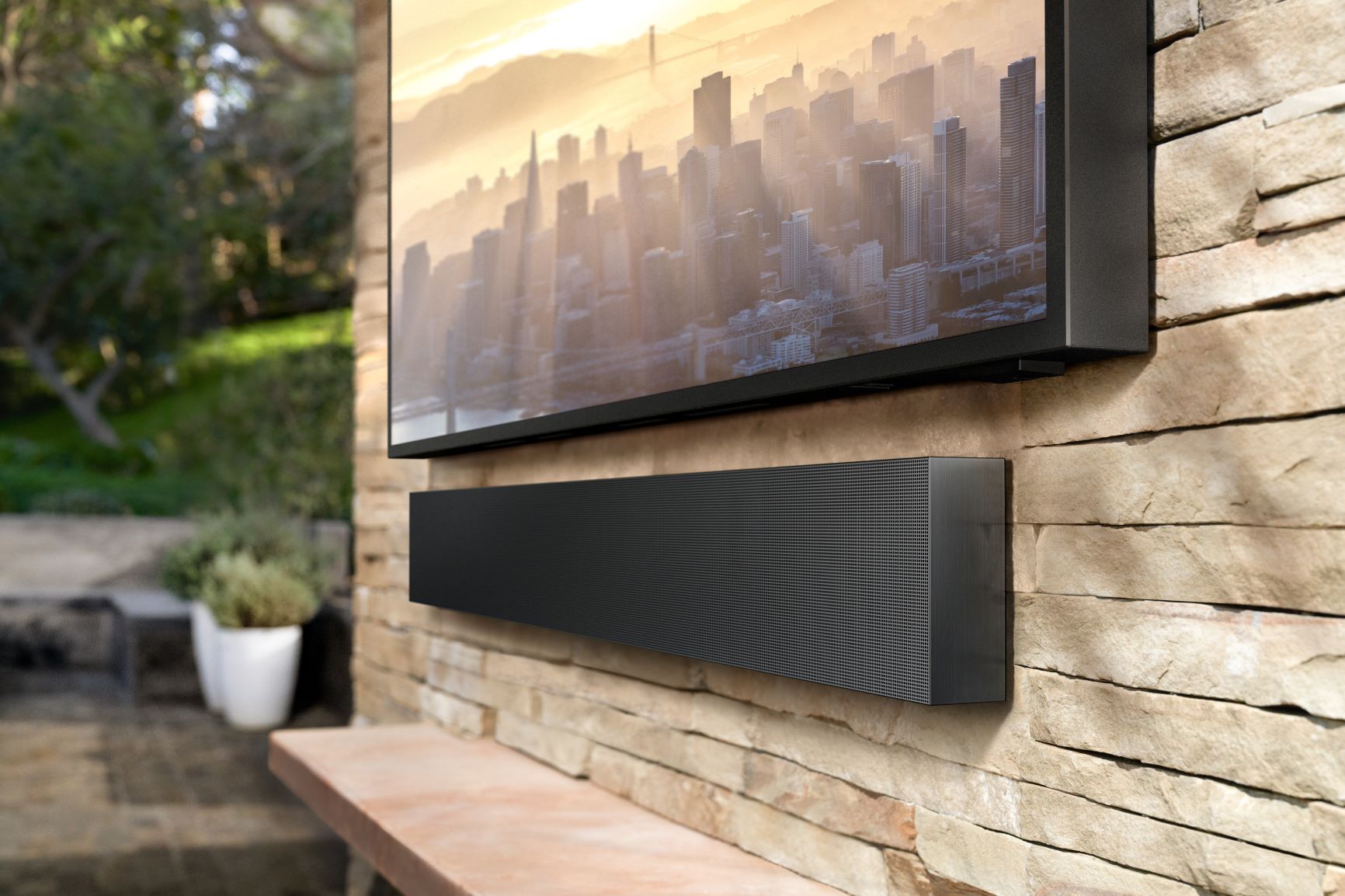
Some of our most satisfied clients have embraced a multi-display approach. For example, a luxury home might feature a dedicated home theater with a projection system for evening entertainment, combined with a media room television for casual daytime viewing. A Florida home might include an outdoor entertainment display paired with an indoor OLED television, providing options for various occasions and times of day.
Modern Control4 automation makes managing multiple displays intuitive. Select a scene—"Movie Night" activates the theater projector and dims the lights. "Game Day" switches to the media room television and adjusts lighting for optimal viewing.
Investment in Your Lifestyle
Choosing the right screen technology is one of the most important decisions in designing a luxury home entertainment system. It's an investment in your daily quality of life, the enjoyment you'll derive from your home for years to come, and the functionality that elevates your property's appeal and value.
At Quantum AV, we've guided hundreds of homeowners through this decision. We bring expertise in cinema-grade projection systems, premium television displays, and complete integration with smart home automation. Whether you choose projection, OLED, mini-LED, or QLED technology, our commitment is to deliver exceptional image quality, seamless integration, and a viewing experience that exceeds expectations.
The perfect screen technology for your home isn't necessarily the most expensive or the newest. It's the one that matches your space, your viewing habits, your content preferences, and your vision for intelligent living. Our team is ready to help you find that perfect match.
Ready to design your ideal home entertainment system? Contact Quantum AV today to schedule a consultation. Let's transform your space with the display technology that's right for you.