What Determines the Cost of a Smart Home System?
One of the first questions we hear at Quantum AV is a simple one: "What will this cost?" It is a fair question, and it deserves an honest answer. The truth is that a smart home system is not a single product with a fixed price tag. It is a set of choices — about size, features, brands, and how much of your home you want to include.
Two houses on the same street in Naples can have very different budgets for automation. One might want lighting control and music. The other might want a cinema room, motorised shades, security cameras, and a golf simulator. Both are smart homes. They are not the same project.
Below, we explain the factors that shape the price, so you can plan with confidence before you ever ask for a quote.
The Size and Layout of Your Home
Square footage is the starting point, but it is not the whole story. What really drives cost is the number of areas you want to control and the distance between them.
A larger home usually means:
More lighting zones and keypads
More audio zones and speakers
Longer cable runs and more wiring labor
More network access points to cover the full property
Additional equipment racks or a larger central rack
Layout matters as much as size. A long, single-story home spread across a lot can require more cabling than a compact two-story house of the same square footage. Homes with detached guest houses, pool decks, or docks — common across Southwest Florida — add another layer of planning.
How Many Systems You Want to Bring Together
The word "automation" covers many different things. Your budget depends on how many of them you include.
Common categories include:
Lighting control
Motorized window shades
Audio in one room or throughout the home
Video distribution and television
Climate and thermostat control
Security cameras, alarms, and door locks
Irrigation, pool, and landscape lighting
Each category you add brings its own hardware, its own labor, and its own programming time. A client who wants lighting and music only will pay far less than a client who wants every system above working together under one app.
This is why we start with a conversation rather than a price list. Once we know what you actually want to control day to day, the numbers become clear.
The Control Platform You Choose
The brain of the system has a real effect on cost. At Quantum AV we are a Control4 Diamond Dealer, a Lutron Certified dealer, a Crestron partner, and a certified Josh.ai dealer. Each platform serves a different type of project.
Control4 is a strong fit for most luxury homes. It handles lighting, audio, video, climate, and security in one interface and scales well as you add more.
Crestron is often chosen for very large estates or projects with heavy customization needs. The engineering time is greater, and so is the investment.
Josh.ai adds natural voice control on top of your system, for clients who prefer to speak rather than tap a screen.
The platform sets the cost of controllers, touchscreens, remotes, and the programming hours needed to make everything behave the way you expect.
Lighting Control and Motorised Shades
Lighting is usually the feature clients enjoy most, and it is also one of the more visible costs. Pricing depends on the number of load controllers, keypads, and dimmers your home needs, and whether you choose a wireless or wired system.
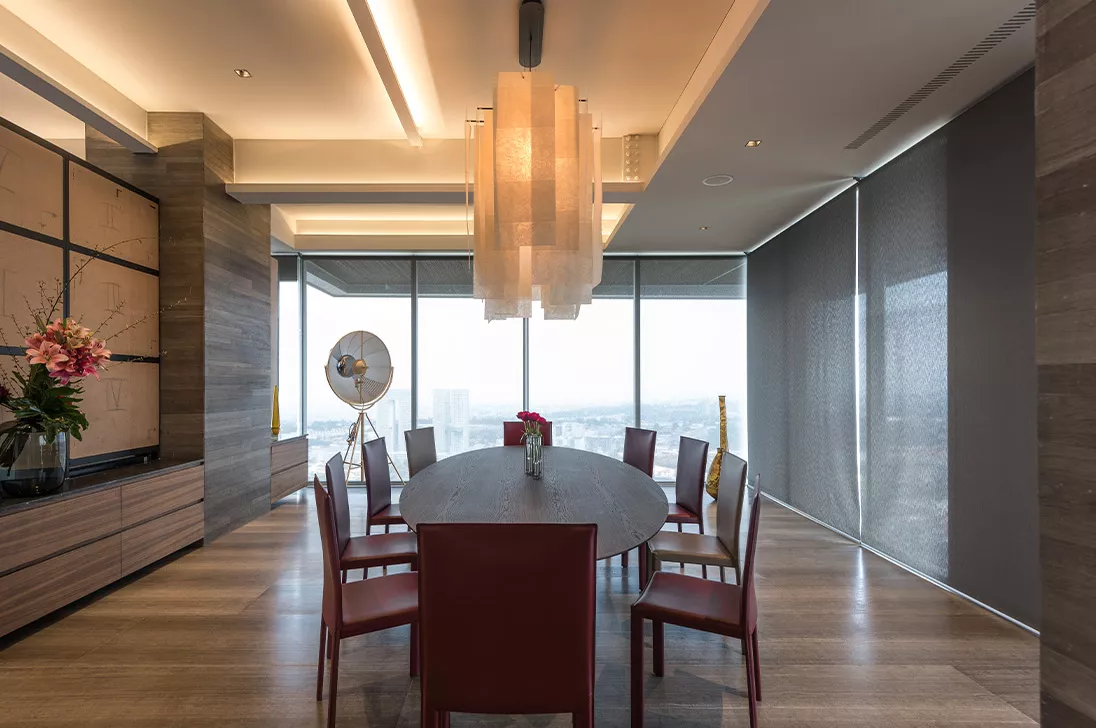
Motorised shades follow a similar pattern. The cost per opening depends on window size, fabric choice, motor type, and whether the shades are hardwired or battery-powered. Large glass walls facing the water — a common feature in Naples homes — need larger motors and heavier fabrics, which increases the price per window.
Sun control also has a practical value in Florida. Automated shades reduce heat gain during the afternoon, which takes pressure off your air conditioning.
Audio and Video: Where Budgets Grow Fastest
Entertainment is where a project can change scale quickly.
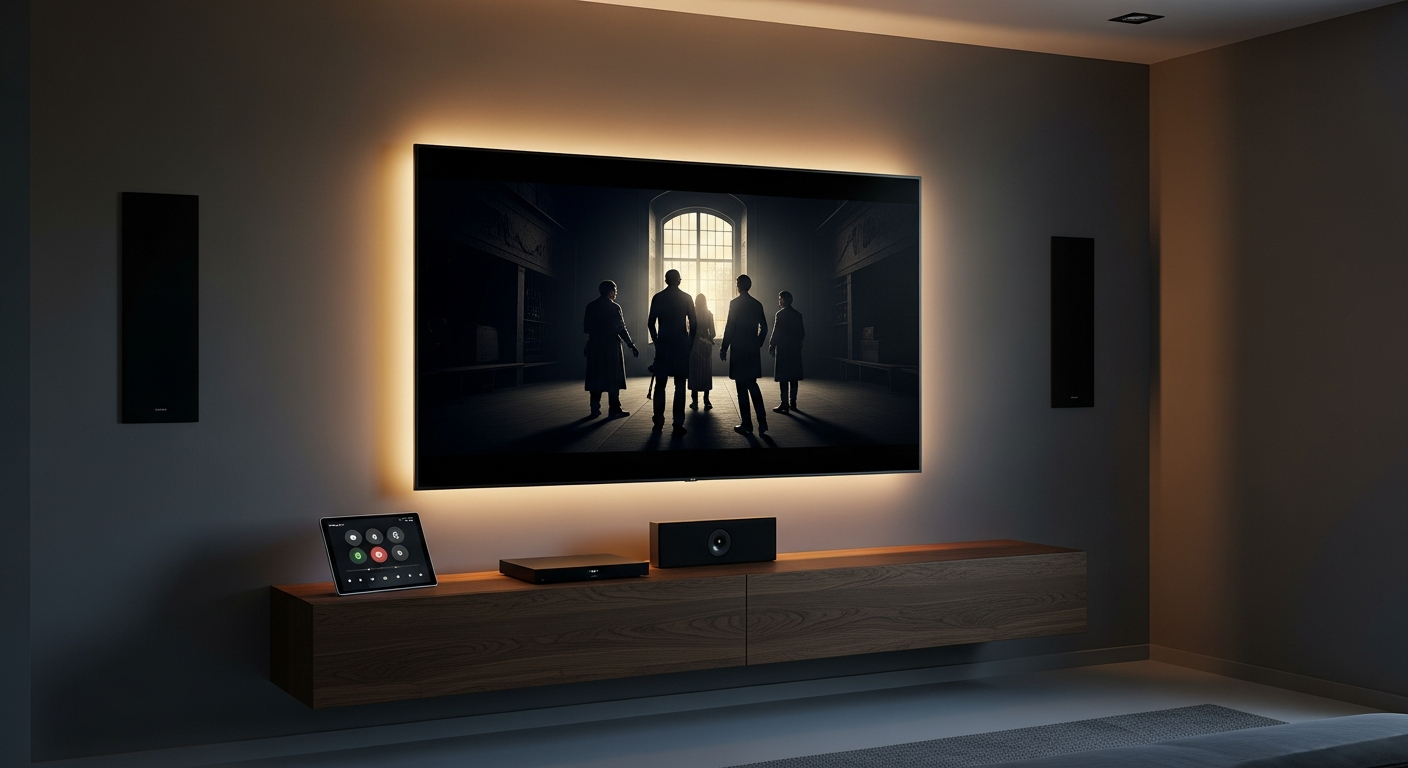
A pair of in-ceiling speakers in a kitchen is a modest cost. A dedicated cinema with 4K or 8K projection, Dolby Atmos surround sound, acoustic treatment, and tiered seating is a much larger investment. We work with brands including Sony, JVC, Epson, and Sonos, and the model you select within any brand can shift the budget significantly.
Key cost drivers here include:
Number of listening and viewing zones
Speaker quality and whether they are in-wall, in-ceiling, or freestanding
Projector versus large-format display
Amplifier and processor selection
Acoustic panels, room treatment, and custom millwork
Seating and riser construction in a dedicated theatre
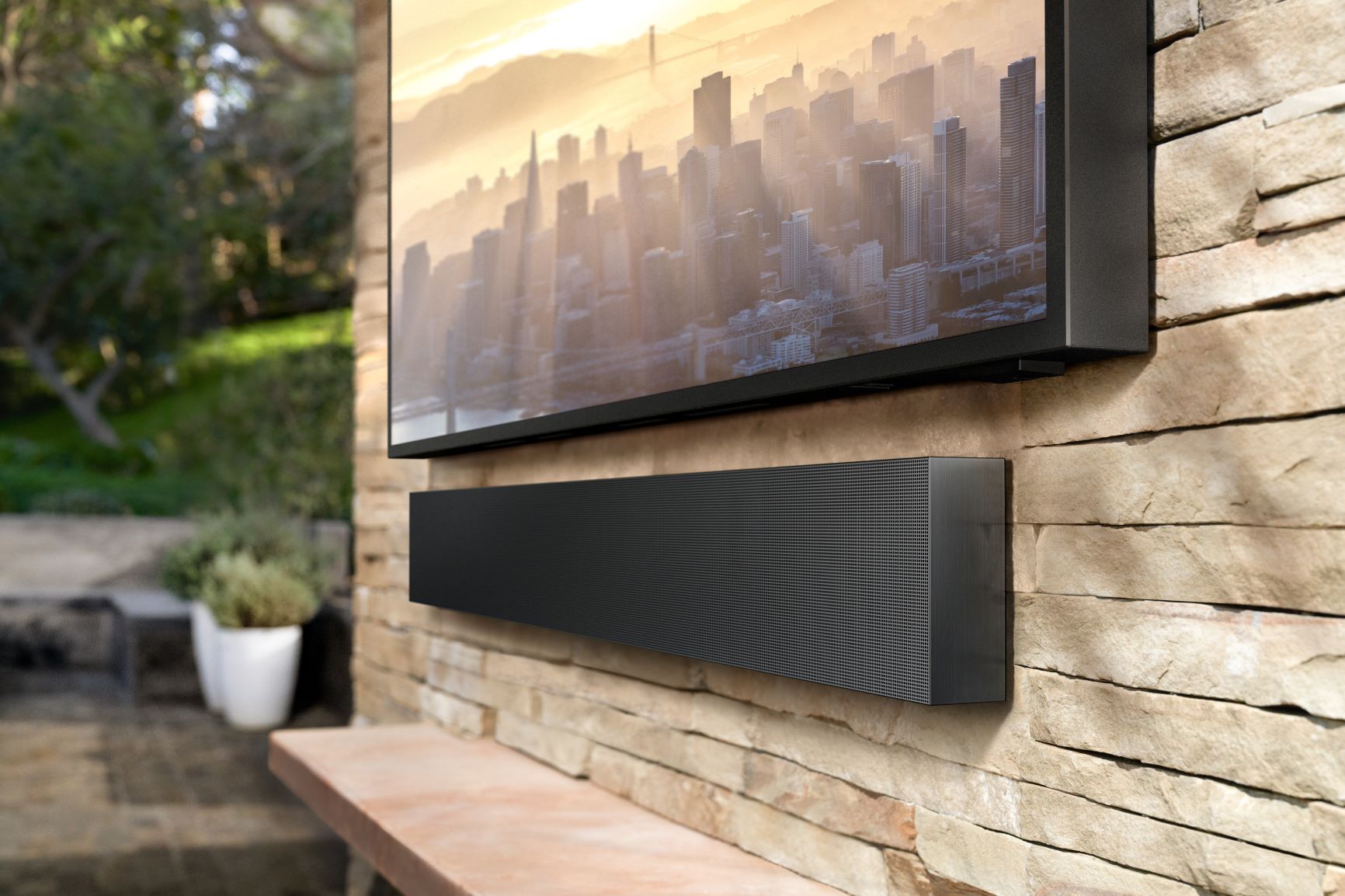
Outdoor entertainment adds weatherproof televisions and speakers built to survive humidity, salt air, and rain — equipment that costs more than indoor gear for good reason.
H2: The Network Behind Everything
This is the part clients rarely think about and the part that protects everything else. Every automation system depends on a stable network. Streaming, cameras, touchscreens, voice control, and remote access all run across it.
We install professional-grade networking with WiFi 6 and WiFi 7 equipment, managed switches, and structured cabling. Our low-voltage work is completed in-house. The cost depends on the size of the property, the number of access points required, and how much cable needs to be pulled.
Spending too little here is the most common false economy in our industry. A weak network makes an expensive system feel unreliable.
H2: New Construction Versus Retrofit
Timing changes cost more than most homeowners expect.
In new construction or a full renovation, we can run cable through open walls before drywall goes up. This is the most efficient and least expensive path, and it gives you the widest range of options.
In a finished home, the same result requires fishing wire through existing walls, working around insulation and framing, and repairing surfaces afterwards. Labor rises. In some cases, we recommend wireless solutions to reduce disruption, which changes both the approach and the price.
If you are building in Naples or anywhere in Southwest Florida, the best time to call us is during the design phase, not after the paint is dry.
Design, Programming, and Installation Labor
Hardware is only part of the invoice. A working system also requires:
System design and engineering drawings
Coordination with your builder, architect, and interior designer
Cable pulling, termination, and rack building
Programming and interface customization
Testing, calibration, and client training
Programming time is where a system becomes personal. A "Good Night" button that locks the doors, dims the lights, closes the shades, and sets the thermostat does not create itself. That work takes hours, and those hours are part of the cost.
We handle every stage in-house for low-voltage work and bring in licensed electricians for high-voltage needs, so responsibility stays clear from the first meeting to the final walkthrough.
Support, Service, and Long-Term Value
Technology does not stand still. Firmware updates, new streaming services, replacement equipment, and occasional troubleshooting are all part of owning a connected home.
Quantum AV provides 24/7 technical support and emergency service. Many clients choose an ongoing service plan for remote monitoring and priority response. This is a recurring cost, but it protects a significant investment and keeps small issues from becoming weekend-ruining problems.
When you compare quotes from different integrators, ask what happens after the installation is finished. That answer is worth as much as the equipment list.
Planning a Budget That Fits Your Home
You do not have to do everything at once. A well-designed system can grow.
Our usual advice:
Install cabling and network infrastructure early, even for features you plan to add later
Prioritize the rooms you use every day
Choose one control platform and stay with it as you expand
Leave rack space and capacity for future additions
Be honest with us about your target budget so we can design to it
A phased plan spreads the investment across years without forcing you to redo work you have already paid for.
Getting an Accurate Number for Your Project
No blog post can price your home. What it can do is show you where the money goes and why two quotes might look so different.
Quantum AV has served Southwest Florida since 2002, and we know local building practices, the climate, and the way homes here are actually used. We design each system around your priorities, your property, and your budget — then we tell you what it costs before we start.